Laser Beams & Light Streams: Building Affordable Light-Based Hardware Security Tools





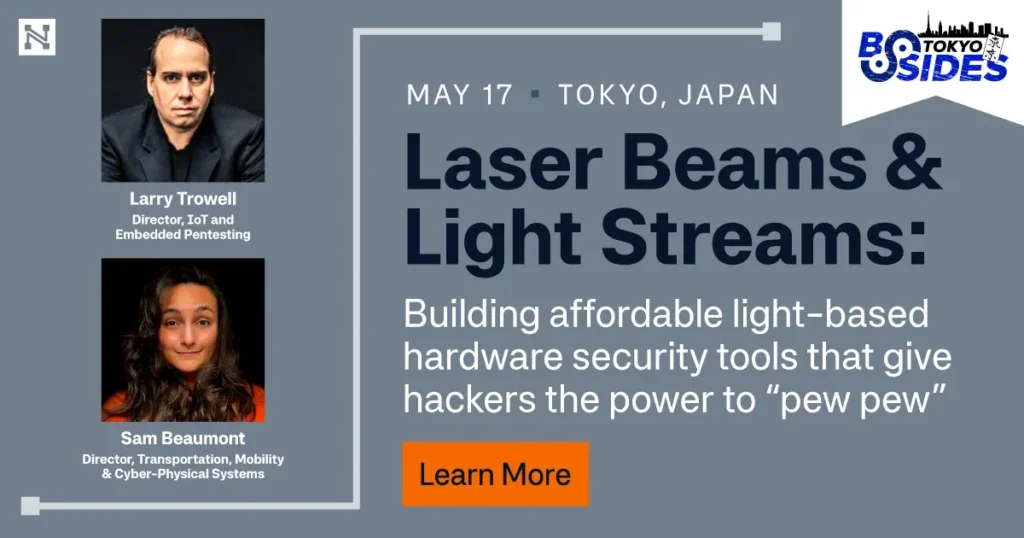
Event: BSides Tokyo 2025
Historically, hardware storage devices have been designed to be “light sensitive”. For example, memory consists of a series of transistors whose physical states represent 1 and 0. Early EEPROM memory could be erased using UV (ultraviolet) light before new data could be written to it. While this was originally useful, it also gave attackers a way to selectively manipulate the memory using light or other optical techniques. As chips evolved, they were coated with an opaque UV-reflecting resin to “temporarily” block this vulnerability.
Today, laser and optical hardware attacks are often seen as something only nation-state actors could do, as they require expensive equipment and specialized techniques. In fact, today’s sophisticated hardware labs use high-frequency infrared lasers to penetrate plastic.
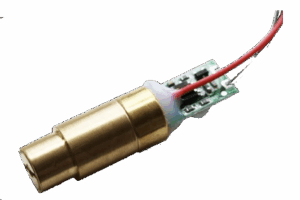
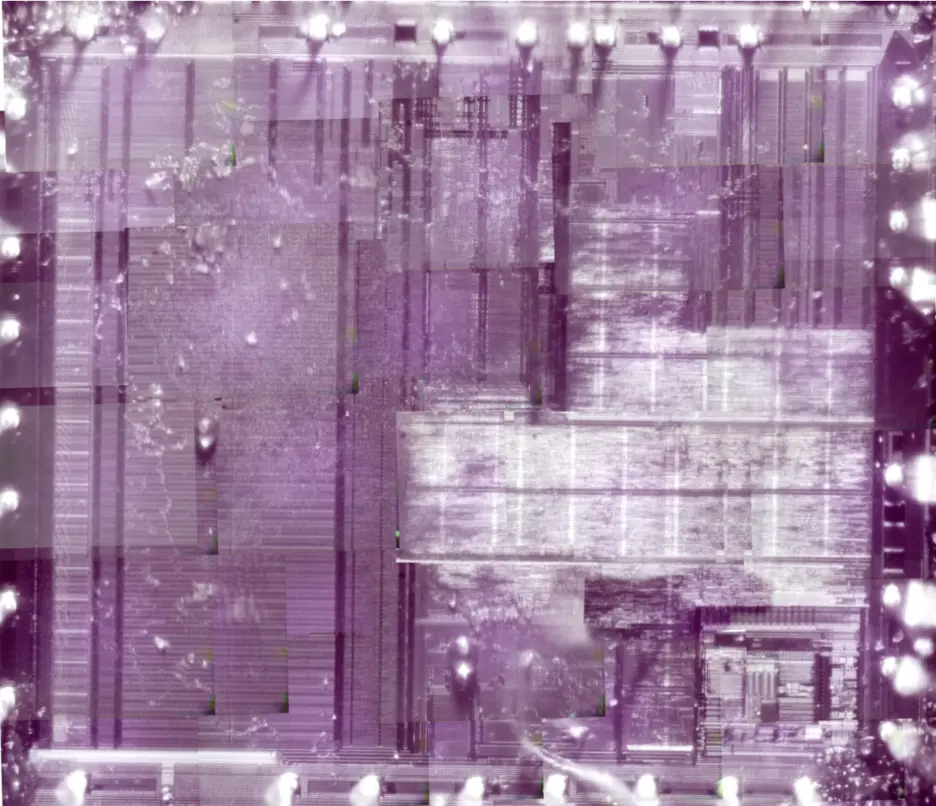
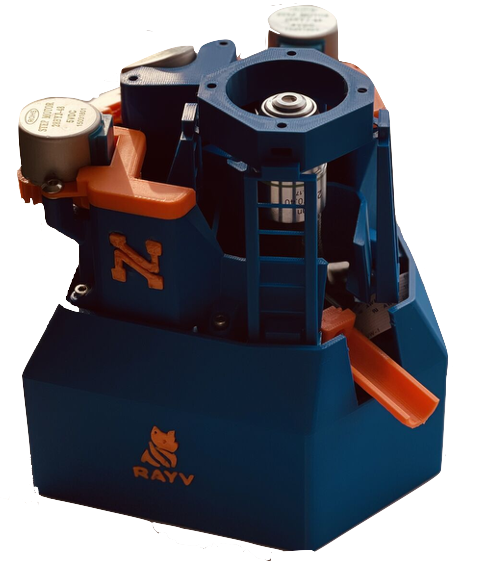
This project shows that with a limited budget and a hacker-maker spirit, similar results can be achieved in a home or garage. By combining an open-source, low-cost microscope modification, a homemade beam splitter, and a replaceable diode laser, we have demonstrated that results can be reproduced with consumer lasers that rival more expensive equipment such as YAG lasers. Leveraging cheaper technology alternatives, we are venturing into the areas of hardware malware visualization, supply chain chip swap detection, and laser logic state imaging. Our approach integrates optical techniques, laser selection, and machine learning components.