Introducing BetaFast – NetSPI's Vulnerable Thick Client

Another vulnerable application is being unleashed into the world. Developed here at NetSPI, BetaFast is a vulnerable thick client application and valuable resource for practicing security testing.
History
Years ago, a NetSPI consultant was venturing into the basement of our office building to retrieve some fresh fingerless gloves from storage. Wandering through the scarcely lit corridors, littered with the forgotten remnants of tenants past, a treasure caught their eye. Tucked behind dust-caked boxes and an aged flock of Herman Miller Aerons, nestled under the flickering light of a bare incandescent bulb, a computer terminal stood proudly.
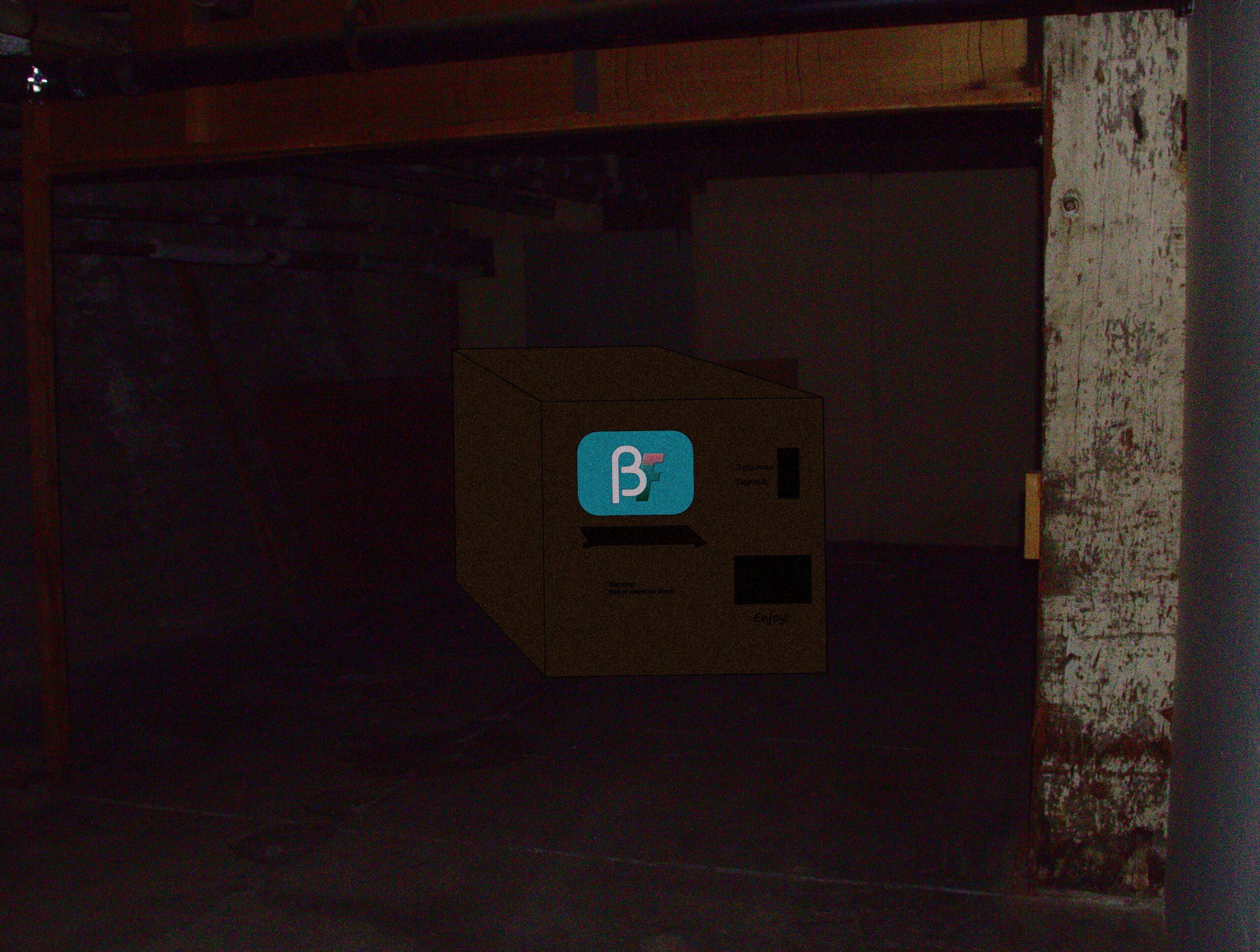
A team of NetSPI’s best and brightest took it upon themselves to learn of its secrets. Created by a defunct and untraceable company called BetaFast, this machine’s sole purpose was to dispense Betamax tapes, a medium from 1975. How long had it remained dormant? How long had it remained operational? Why?
Releases
The consultants worked tirelessly to reverse engineer the movie rental kiosk. Its software was written in a proprietary language and, unsurprisingly, was not secure.
The kiosk’s front-end and back-end code has been rewritten in C#. Throughout the upcoming weeks, we will be releasing blog posts outlining the vulnerabilities found in the software. The code can be found on our GitHub. Additionally, our team was able to find and preserve the original BetaFast website, but with an added link to our GitHub: https://www.betafast.net/.
Vulnerabilities
Two vulnerable applications have been released. One is BetaFast, a premier Betamax rental kiosk, written with three-tier architecture. The other is Beta Bank, a premier finance application for the elite, written with two-tier architecture.
BetaFast contains but is not limited to the following vulnerabilities:
- Hardcoded Encryption Data
- Hardcoded Encrypted Password
- SQL Injection
- Authorization Bypass
- Missing server-side input validation
- Cleartext Password Stored – Registry
- Cleartext Sensitive Data Stored – Files
- Weak File Upload Controls
- Weak Input Validation
- No Code Obfuscation
Beta Bank was written to include many of the above findings while highlighting some additional security flaws:
- Unencrypted Database Connection
- Hardcoded Connection String
- Weak Password Storage
- Custom Encryption Implementation
Published Installments:
Instructions
Explore More Blog Posts

Introducing EchoBench: A Human Calibrated Benchmark for Autonomous Pentesting
NetSPI introduces EchoBench, a human-calibrated benchmark for autonomous AI web app pentesting. EchoBench measures finding fidelity, difficulty-reach, OWASP breadth, and repeatability to accurately gauge AI security capabilities against real human outcomes.
Verifying the Verifier – Assessing Identity Verification Services
As AI-driven identity verification becomes the front line of defense against fraud, this piece breaks down how to stress-test these systems, from building synthetic IDs and deepfake voices to uncovering the gaps attackers are most likely to exploit.
BOFScale: A CDN-Fronted Tailnet from a BOF-PE
Discover how BOFScale leverages a modified Tailscale daemon compiled as a BOF-PE to seamlessly hide C2 traffic and DERP relays behind CDNs using standard WebSockets.